Coaching
How to Discuss a Price Adjustment With a Seller
By Khai Tran · · 6 min read
Review listing activity, comparable properties and seller priorities before recommending a price change. Use the conversation to explain the evidence and agree on next steps.
---
Prepare the Evidence Before the Conversation
When a listing has less activity than expected, review the price, condition, access, marketing and buyer feedback. The seller may have questions about your original recommendation. Be ready to explain what has changed and what remains uncertain.
1. Shift From “Convincing” to “Consulting”
If you walk into the conversation trying to persuade, you’ll feel pressure.
Instead, anchor yourself in this mindset:
“I don’t convince. I interpret market feedback.”
That subtle shift changes your tone. You become calm instead of defensive.
2. Open the Conversation Without Triggering Defensiveness
Most agents start with:
“We need to reduce the price.”
That immediately creates resistance.
Try this instead:
Script: The Market Feedback Frame
“I want to review the data together and look at what the market is telling us over the last 21 days.”
Then pause.
Pull up:
- Showing activity
- Online views
- Comparable pendings
- Competing inventory
- Buyer feedback
Let the numbers speak first.
Silence is powerful here.
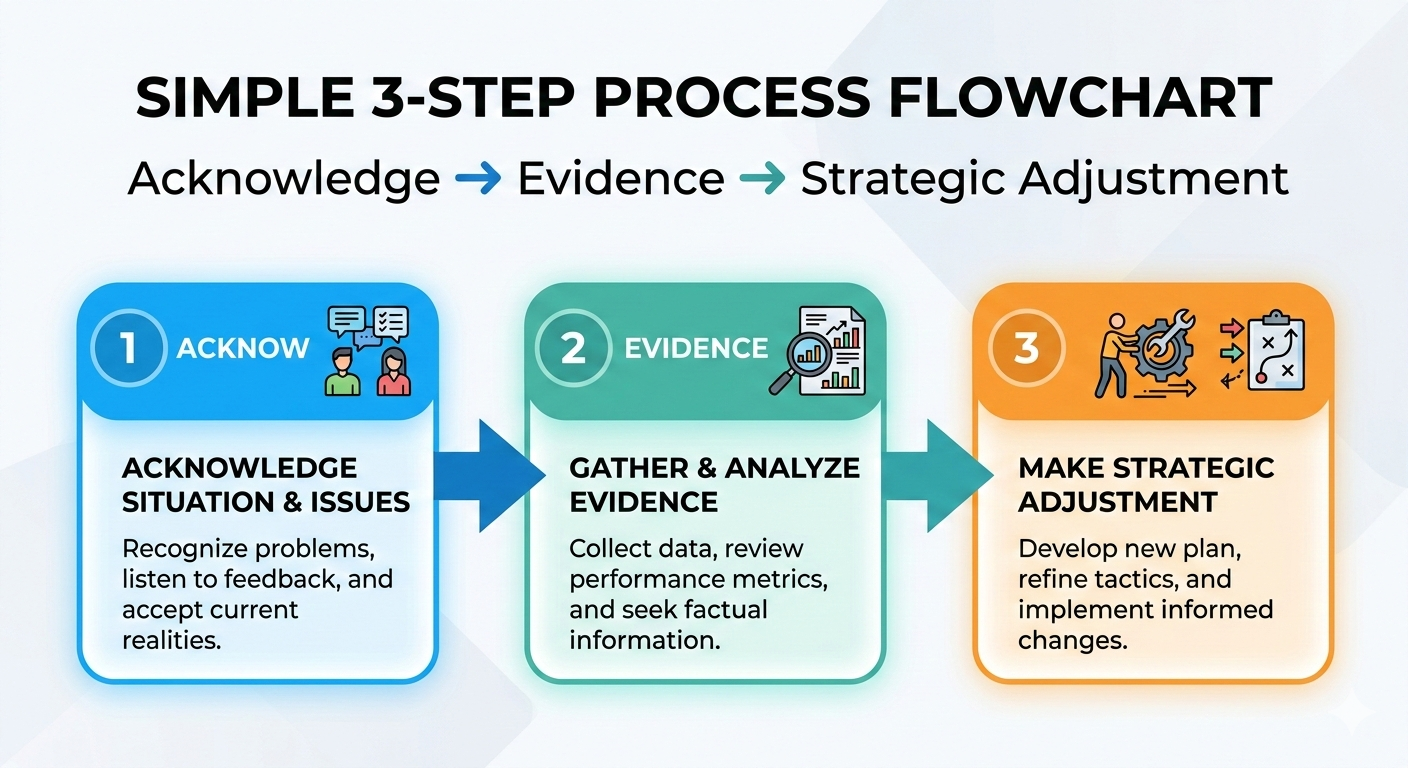
3. Use the 3-Part Price Reduction Structure
This keeps the conversation structured and calm.
Step 1: Acknowledge
“You’ve done everything we discussed , staging, photos, access. That’s not the issue.”
This protects their effort.
Step 2: Present Evidence
“In this example, we’ve had 14 showings but no offers. Let’s review the feedback, competing homes and any access or condition issues before deciding whether a price change would help.”
Present the pattern you can support, and discuss other possible explanations.
Step 3: Offer Strategic Adjustment
“Based on current pendings, I recommend repositioning to $X to align with where buyers are actually writing offers.”
Confident. Direct. No apology.
4. The Introvert Advantage in Price Conversations
Give the seller time to explain their concern. Use the evidence to answer the question, and acknowledge anything you need to check.
When a seller pushes back:
“But my neighbor sold for more.”
Respond with curiosity, not correction.
Script: The Curious Redirect
“That’s a great point. Let’s look at how that home compares , timing, upgrades, and when it went pending.”
You stay neutral. You stay factual.
That builds authority.
5. Handling the Defensive Seller
Sometimes you’ll hear:
- “You told me we could get this.”
- “Maybe we just need more time.”
- “I’m not giving it away.”
This is where most agents shrink.
Don’t.
Script: The Outcome Reframe
“Let’s review the likely costs and tradeoffs of waiting, adjusting the price, or making another change. You can decide which option fits your plans.”
You’re aligning with their goal, not fighting them.
6. The Cost of Waiting (Without Sounding Threatening)
Sellers need to understand momentum.
But fear-based language backfires.
Instead, explain positioning.
Script: The Positioning Explanation
“Buyers watch days on market. When they see a home sitting, they assume something’s wrong. A strategic adjustment now keeps us in control instead of reacting later.”
Tie the explanation to what you can verify about this listing and its competition.
7. When They Still Say No
Sometimes they won’t agree.
That doesn’t mean you lose control.
Script: The Conditional Agreement
“Let’s do this , if we don’t see an offer or strong activity in the next 14 days, can we agree to revisit this adjustment?”
You create a future decision checkpoint.
You stay professional.
And you avoid desperation.
Agree on the Next Review
Record the seller’s decision and the next review date. Summarize the evidence, your recommendation and any work each of you agreed to do. A price change is the seller’s decision, informed by the available facts.
Download my free Introvert Discovery & DM Scripts Pack.
Download the free Introvert Discovery & DM Scripts Pack → https://khaitranofficial.com/introvert-scripts