CRE
CapEx Planning for Small Office & Retail Owners
By Khai Tran · · 6 min read
Organize roof, HVAC, and other capital projects in a working schedule, with cost estimates, inspections, reserves, and funding questions to review.
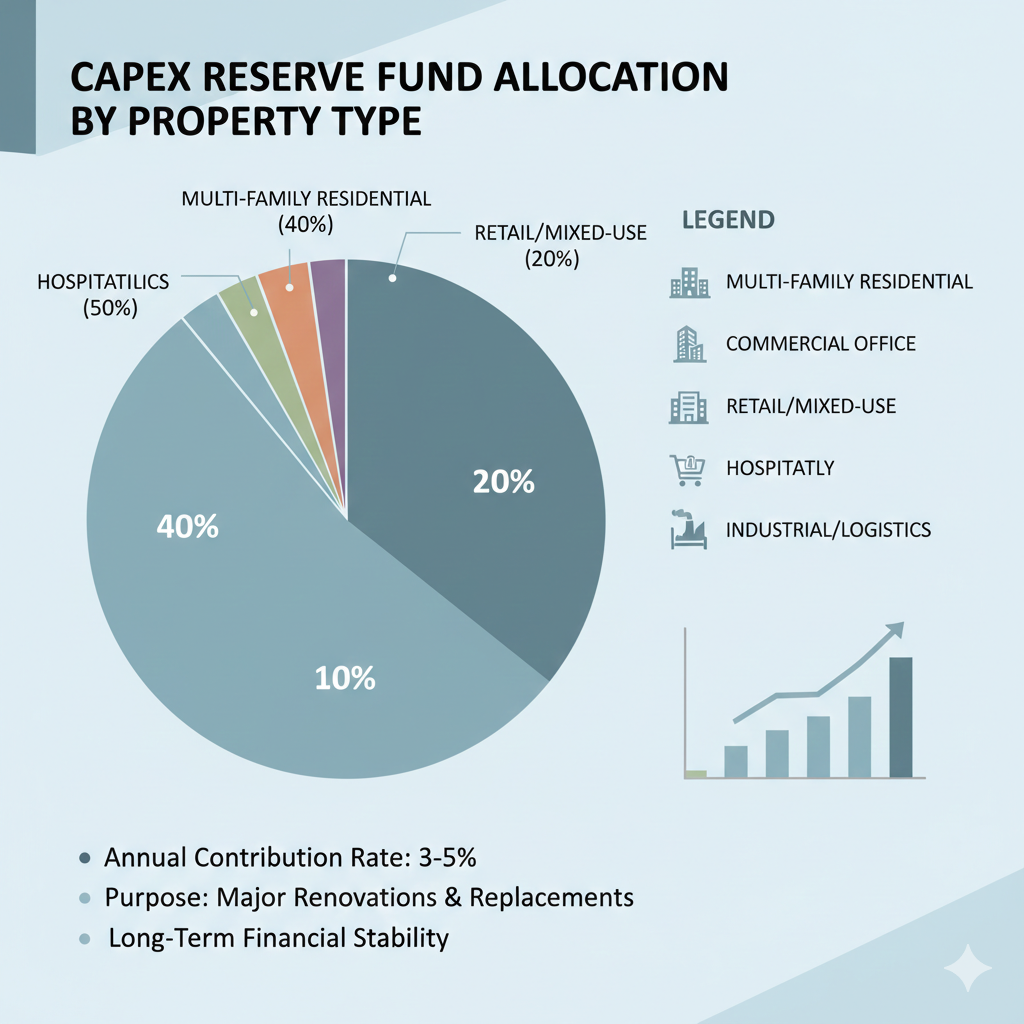
A roof, HVAC system, or parking lot may need work long before an owner plans to sell. A CapEx schedule records those projects, estimated costs, and the questions to take to contractors and financial advisers.
Use it as a working budget and update it as inspections and quotes come in.
What Is CapEx in Commercial Real Estate?
CapEx represents long-term improvements or replacements in your property, things that last more than a year and add value, like:
- Roof replacement
- HVAC upgrades
- Flooring or major tenant improvements
- Parking lot resurfacing
Unlike maintenance, which keeps things running day-to-day, CapEx is about enhancing the property’s lifespan and marketability.
How to Start Your CapEx Planning
- Assess Your Current Property Condition
Conduct a thorough walkthrough. Identify aging systems and estimate remaining useful life.
- Create a CapEx Reserve Fund
Estimate the reserve needed from the property’s condition, project schedule, and current cost information. Discuss the funding plan with the owner’s financial advisers.
- Prioritize Projects
Rank by urgency and ROI. Focus on repairs that prevent bigger problems or increase tenant satisfaction.
Example: Small Retail CapEx Planning
This hypothetical table shows how to organize a plan for a 10,000 sq. ft. retail strip. The costs and remaining lives are illustrative, not quotes or condition findings:
| Item | Remaining Life | Cost Estimate |
|---|---|---|
| Roof | 8 years | $25,000 |
| HVAC | 5 years | $18,000 |
| Parking Lot Resurface | 10 years | $15,000 |
Using this table, you can plan annual reserves and decide which projects to finance or schedule.
Tips for Accurate CapEx Budgeting
- Use historical data: Review past expenses and trends.
- Consult vendors: Get realistic quotes for replacements.
- Account for inflation: Material and labor costs rise over time.
- Plan for tenant turnover: Vacancies can impact timing and cash flow.
Financing Your CapEx Projects
If your CapEx needs exceed your reserve fund, consider:
- Bank financing: Short-term or line of credit for immediate upgrades.
- Lease terms: Ask whether the signed lease permits any recovery of a particular capital cost. Future increases or changes require agreement where applicable; do not assume a landlord can add a charge.
- Partnerships: Joint ventures for larger retail or office properties.
Review the plan alongside lease obligations and expected cash needs. A project’s timing, funding, and effect on occupancy all matter when deciding how to proceed.
Quick CapEx Planning Checklist
- [ ] Inspect property for aging systems
- [ ] Estimate remaining useful life for major components
- [ ] Prioritize upgrades based on ROI and risk
- [ ] Review reserve needs against the project schedule and current estimates
- [ ] Schedule projects and financing
Revisit the plan after inspections, major repairs, or new cost information. Keep assumptions and dates visible so the owner can see what has changed.
Download the free 10 CRE Terms Guide → https://khaitranofficial.com/cre-terms