CRE
Broker Opinion of Value (BOV): A Practical Outline
By Khai Tran · · 6 min read
An outline for a commercial Broker Opinion of Value, covering property facts, market evidence, comparable sales, income, and the assumptions behind a value range.
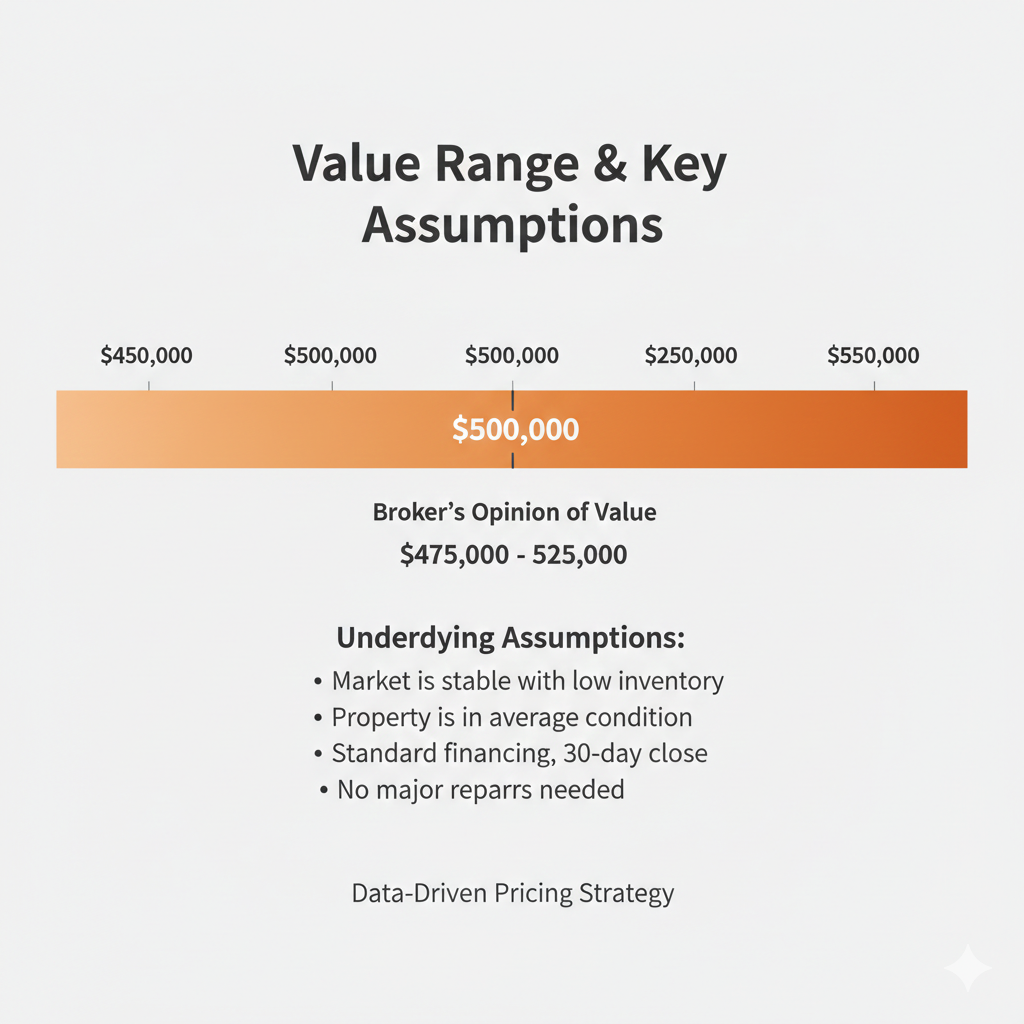
A Broker Opinion of Value should make the basis for a price range easy to examine. The owner needs to see the property facts, comparable evidence, and assumptions behind the estimate.
Keep the scope within a brokerage pricing discussion. A BOV is not a substitute for an appraisal required by a lender or another party. Confirm permitted use and the written notices required for your assignment with your supervising broker.
The outline below gives each part a place in the document.
What a Broker Opinion of Value Is (and isn’t)
Let’s simplify this for clients, and for newer agents.
A BOV is:
- A professional estimate of value
- Based on current market data
- Supported by assumptions and logic
A BOV is not:
- An appraisal
- A pricing promise
- A sales pitch disguised as analysis
Explain the purpose and limits of the document before discussing the value range.
When a BOV Actually Matters Most
BOVs carry the most weight when:
- Owners are testing the market
- Partners disagree on value
- Refinance or exit timing is unclear
- You’re competing for a listing
State the decision the owner is considering so the analysis addresses it.
A Broker Opinion of Value Outline
Use these sections to organize the evidence and explain the estimate.
1. Property Snapshot (Set the Frame)
Start with facts, not opinions.
Include:
- Property address and type
- Size (SF, units, land)
- Current occupancy
- Year built / renovated
- Zoning (high level)
Why this matters: It tells the owner, “We’re aligned on what we’re valuing.”
2. Market Overview (Show You Understand Context)
Keep this tight.
Cover:
- Submarket conditions
- Supply and demand trends
- Recent leasing or sales momentum
- Interest rate or capital market headwinds (if relevant)
Include dates and sources for the market information you use.
3. Comparable Sales (Show Your Work)
Include:
- 3–6 relevant sales
- Adjustments explained in plain language
- Clear $/SF or cap rate ranges
Explain why each comparable belongs in the analysis and where it differs from the subject.
4. Income & Expense Snapshot (If Applicable)
For income-producing assets, show the income and expenses used in the analysis.
Include:
- Current NOI (or pro forma)
- Market rent assumptions
- Expense ratios
- Stabilized vs in-place comparison
Distinguish documented income from projections, and label any assumptions.
5. Valuation Range (Not a Single Number)
Present:
- A value range
- With a most-likely outcome
- Based on stated assumptions
Example language:
“Based on current market conditions and recent sales, we see value likely falling between $X and $Y, with the strongest buyer interest near $Z.”
Explain what would move the estimate toward either end of the range.
6. Key Assumptions & Risks
Call out:
- Leasing risk
- Tenant rollover
- Cap rate sensitivity
- Market volatility
Identify which assumptions have the greatest effect on the estimate.
Discuss the BOV With the Owner
Presentation matters as much as content.
A sample opening:
“Here is the range supported by the information we have, and the assumptions I would want to check before you decide on a price.”
Then walk through the supporting evidence and invite questions about the assumptions.
Common BOV Mistakes CRE Agents Make
Mistake #1: Chasing the Number the Owner Wants
Use evidence to explain the estimate even when it differs from the owner’s expectation.
Mistake #2: Overloading with Data
Include the material needed to understand the estimate, and explain why it matters.
Mistake #3: Avoiding Hard Conversations
If value is below expectations, say it, calmly and early.
Before presenting, check that another reader can follow the value range back to the source data. Keep unsupported expectations out of the analysis.
Download my free 10 CRE Terms Guide to strengthen how you explain value, pricing, and deal structure.